
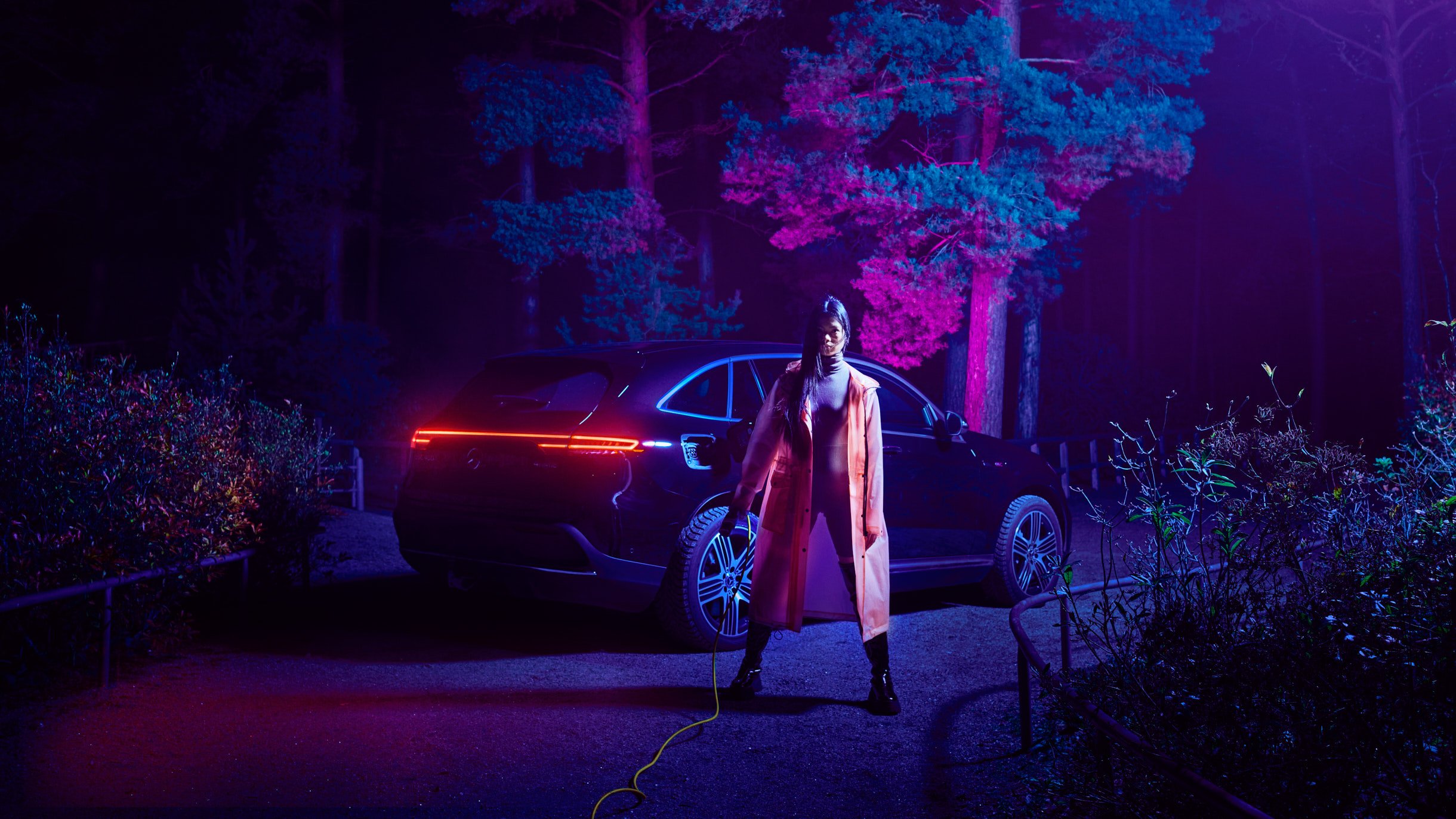
Optimising energy services for EV charging solutions
Virta
Liikennevirta Oy
Manager, Energy UX designer
Helsinki, Finland | 2022–2026
Objective: to enhance the user experience of Virta’s energy services and products for both B2B customers and EV drivers.
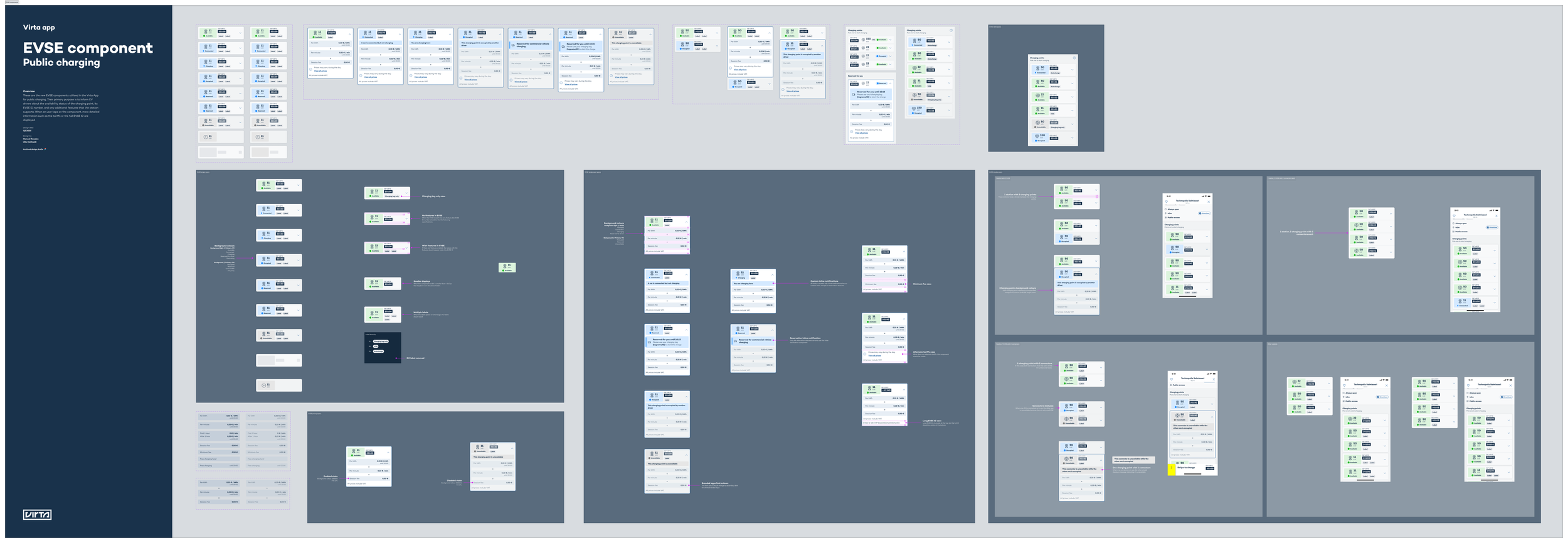
Contribution: Managed cross-team product development projects and designed Vehicle-to-Grid (V2G), Time-of-Use (ToU) spot pricing, Virta Hub global navigation, Virta App public charging components, stations' energy settings, energy load management services, and helping maintaining the Design System.
Photos by Ville Vappula Studio - www.villevappula.com
The EV charging business ecosystem brings together several key players: Charging Point Operators (CPOs), who own and run the chargers; eMobility Providers (EMPs), who give drivers access to charging services; EV drivers and their vehicles; and Charge Point Management Systems (CPMS) such as Virta, which provide the cloud-based software that connects and manages the network.
As the EV market expands, demand for electricity increases, while energy supply and site capacity remain constrained. To protect infrastructure and control costs, CPOs must carefully balance electricity demand with the power available. However, these decisions have a direct and tangible impact on the EV driver experience: when power is limited, charging sessions take longer, affecting users’ time, expectations, and trust in the service. Transparent communication and coordination between all stakeholders are therefore essential to ensure that energy management delivers a smooth, predictable charging experience.
Product Development Process
I introduced a unified design process across Virta’s Energy and Virtual Power Plant teams, extending the existing Scrum framework with design thinking, Lean Startup, and agile practices. By leading customer-validated discovery one quarter ahead of development, I aligned product, design, and engineering early, reducing feature bloat and improving planning, delivery, and market readiness.
Through in-depth interviews with customers and EV drivers, service blueprinting, and rapid prototyping and testing using Figma and Maze, I translated user insights into validated concepts. Alongside this, I led cross-team initiatives with complex dependencies, managing epics and user stories and collaborating with product managers on roadmap planning.

Vehicle-to-Grid
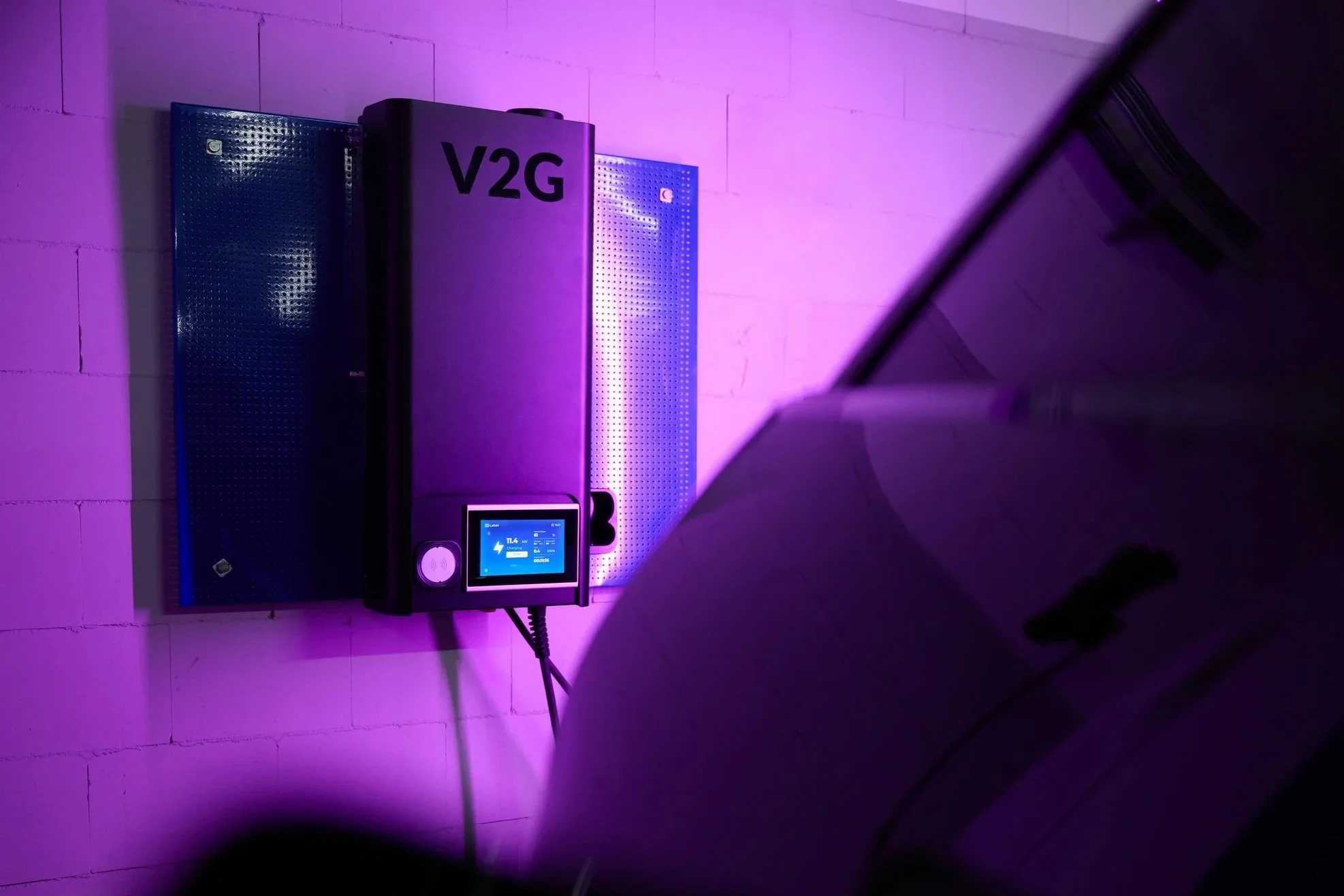
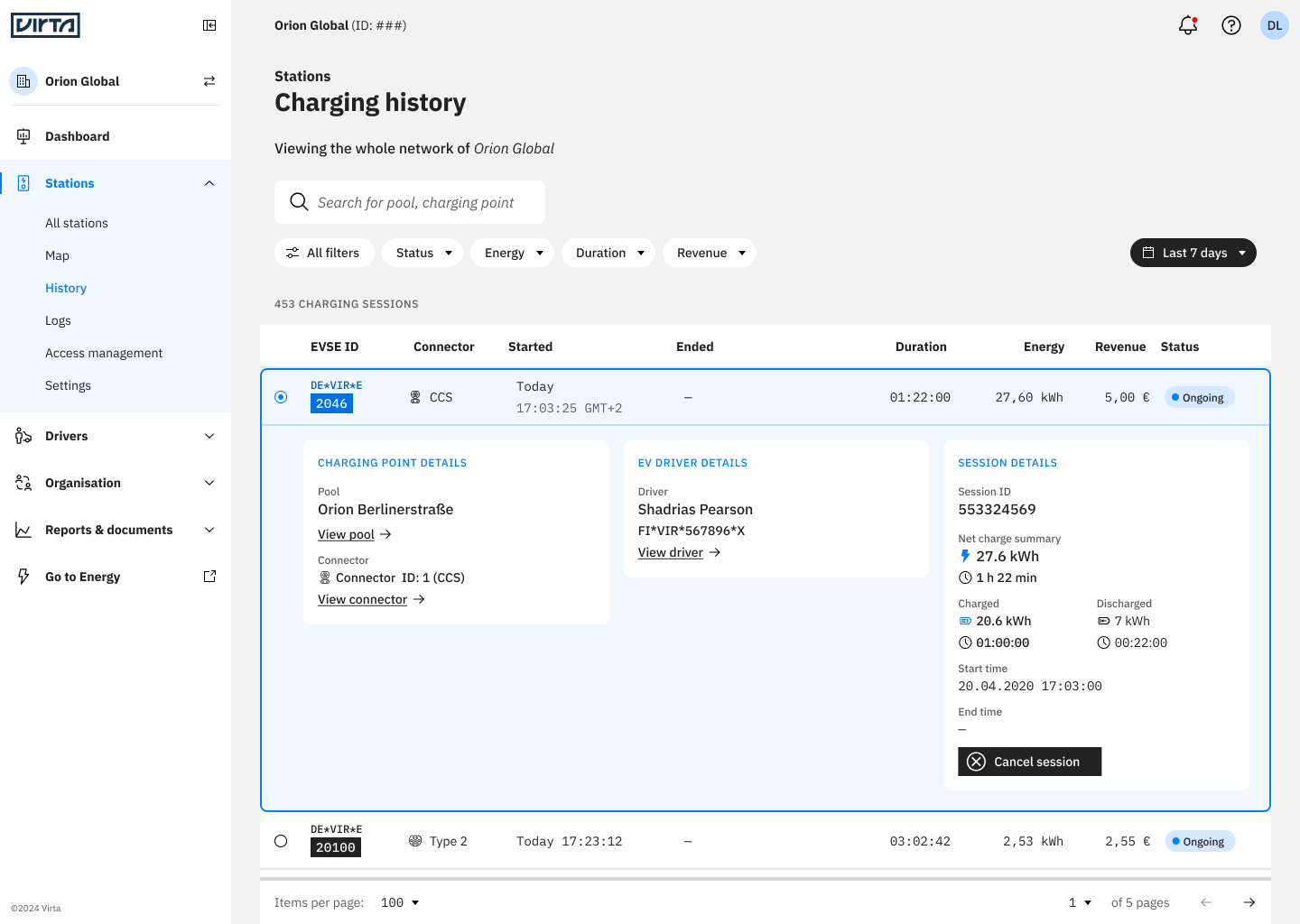
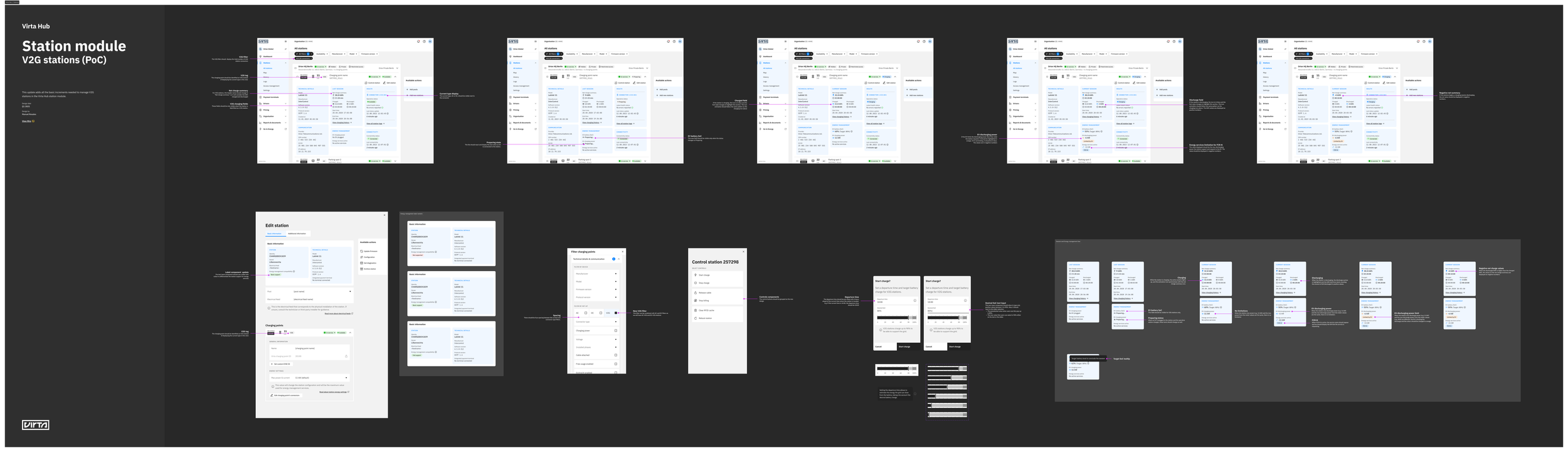
Vehicle-to-Grid (V2G) is an advanced charging technology that enables two-way power flow between an electric vehicle (EV) battery and the electricity grid. It transforms EVs from passive energy consumers into mobile energy assets that can both draw power from and supply it to the grid.
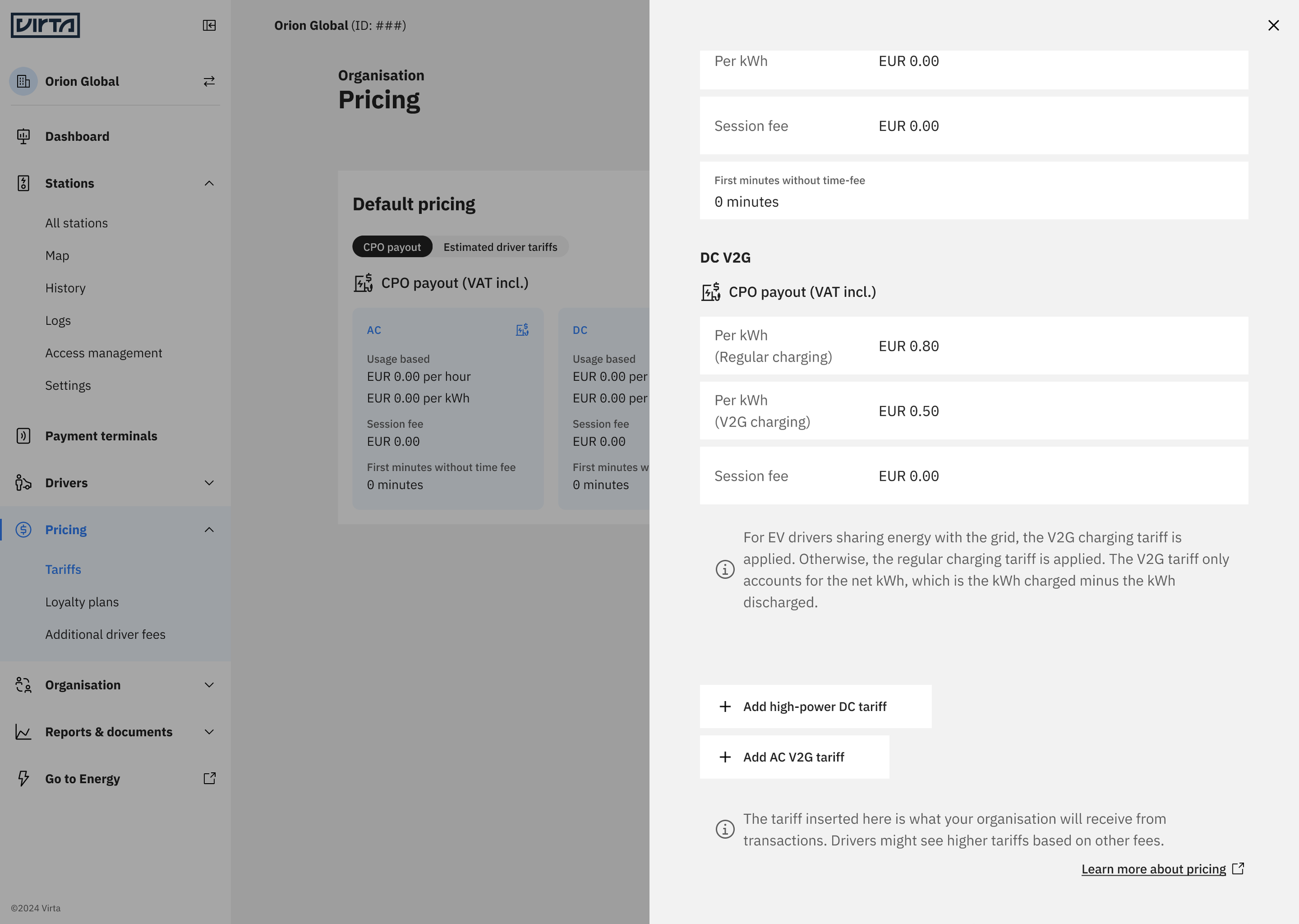
By balancing supply and demand—particularly during peak periods—V2G helps stabilise the grid, reduce disruptions and maintain normal energy operating frequency. It also creates new revenue streams for Virta, charging point operators to participate in energy markets, while EV drivers benefit from preferred lower prices than regular charging.
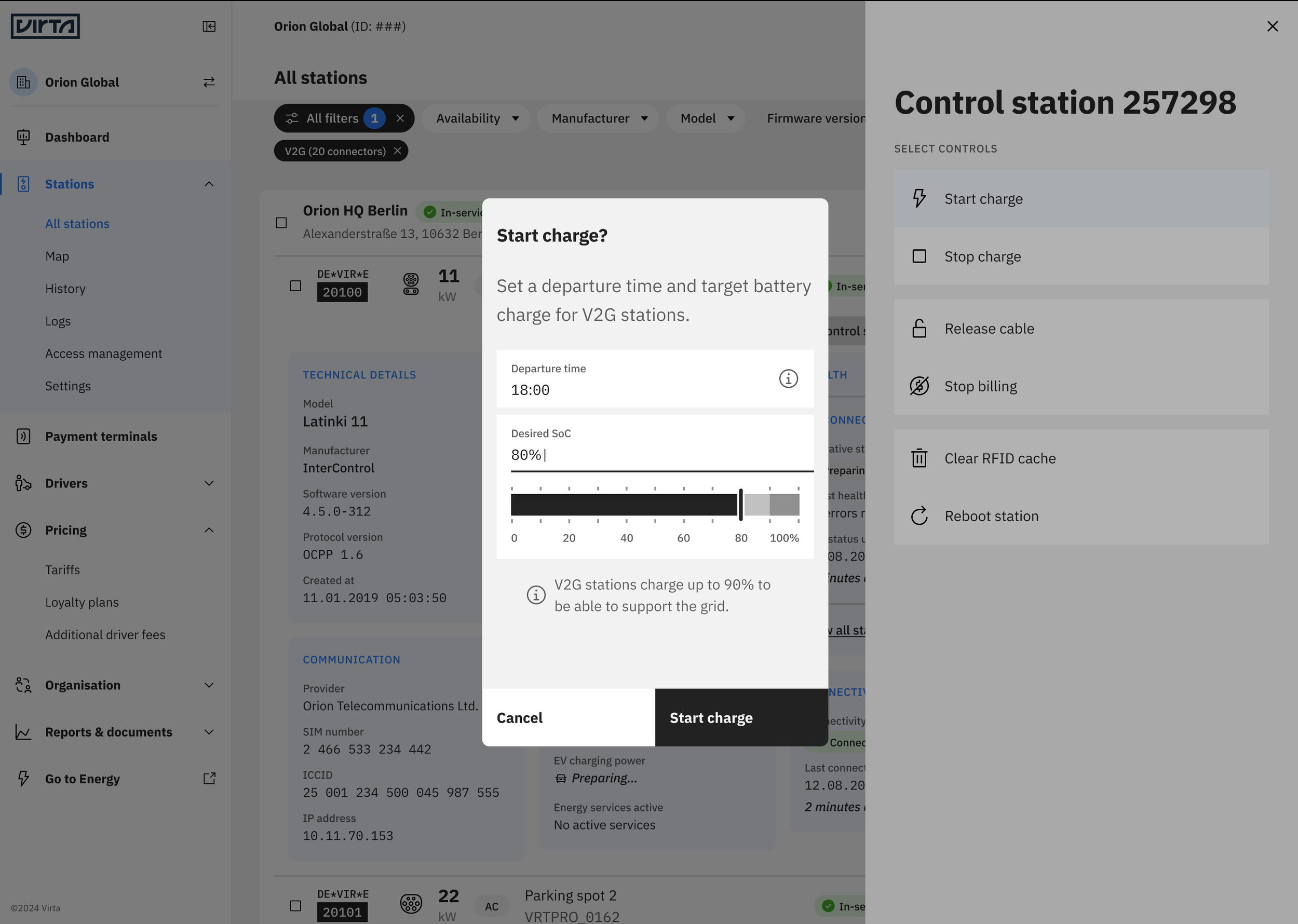
As not all EVs support bidirectional charging, pricing models must differentiate between compatible vehicles that can share energy with the grid and those that cannot, in order to avoid losses for CPOs. From the EV driver’s perspective, it is essential to provide clear information about V2G functionality and to offer meaningful control over energy sharing, while safeguarding battery health and respecting minimum charge requirements for their daily commuting.

Virta Energy
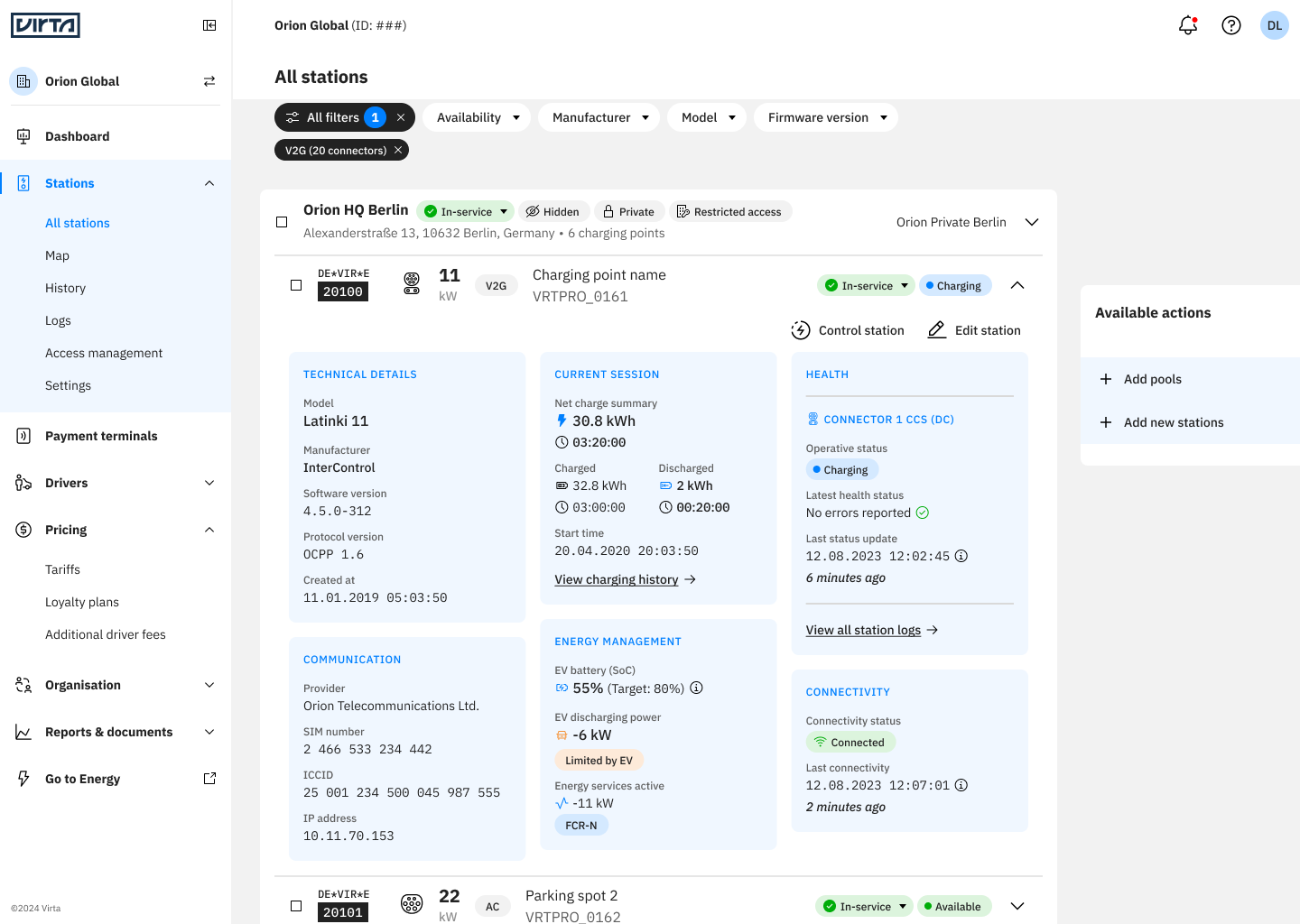
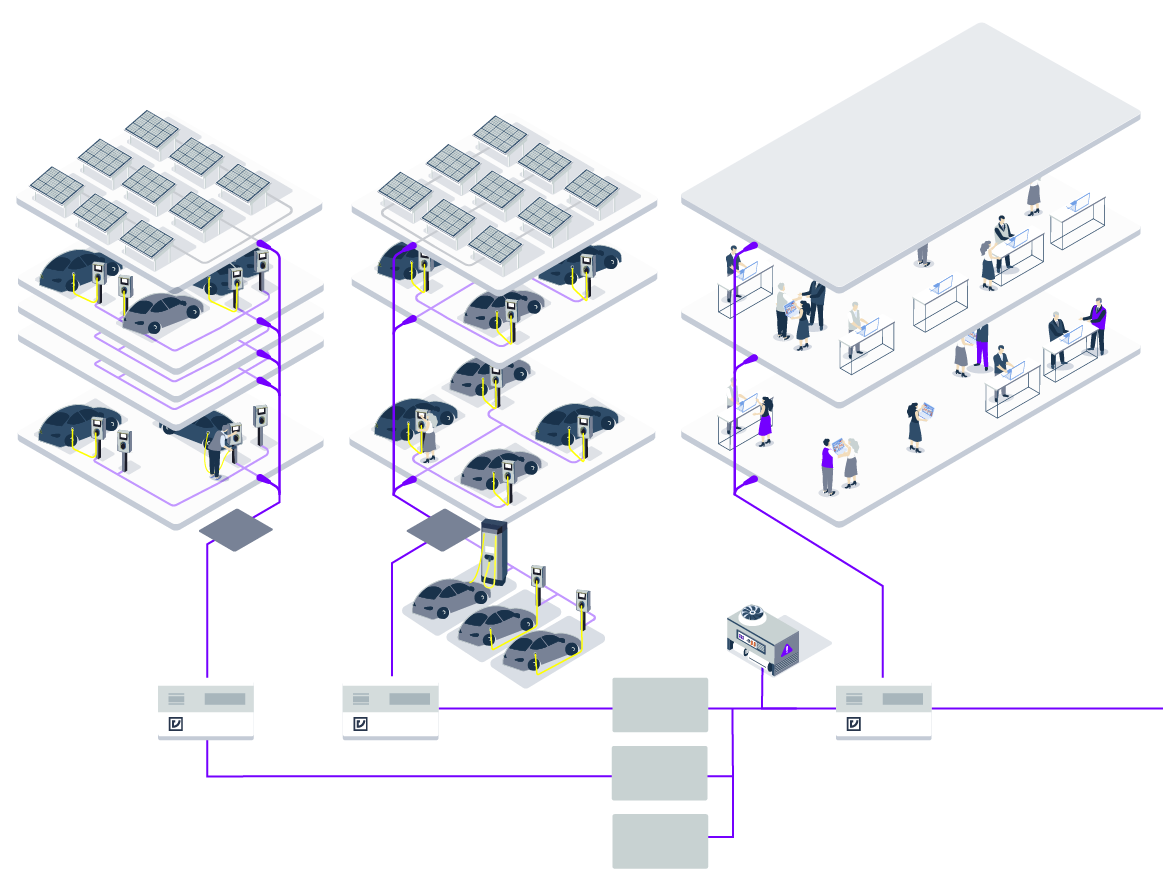
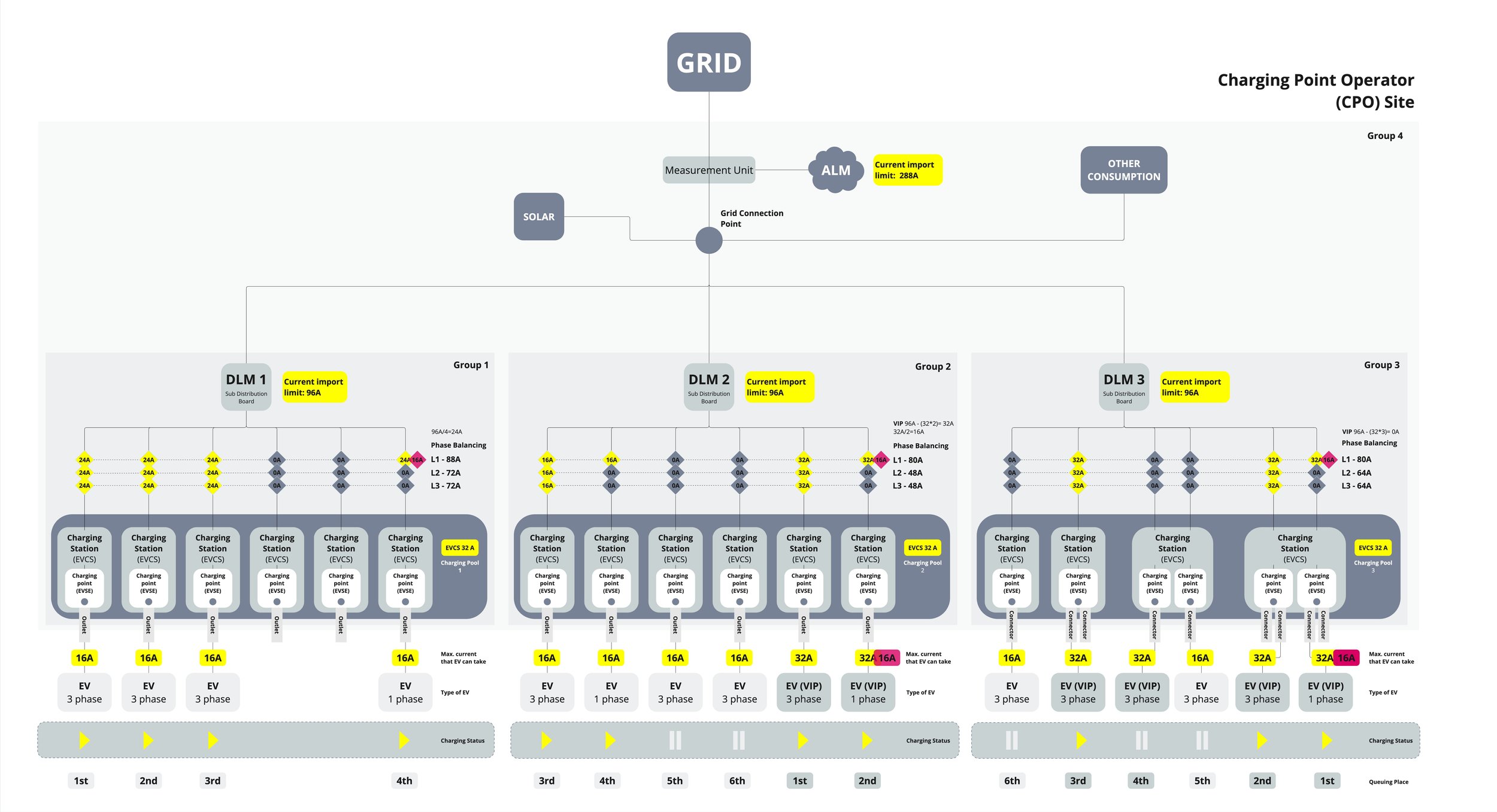
Energy load management services dynamically adjusts the power delivered to EVs during charging sessions. As demand and availability constantly change, clear real-time communication between EV drivers and CPOs is essential for a good user experience.
However, Virta Energy operated as a separate system from Virta Hub, causing UX inconsistencies, development dependencies and higher operational costs. My contribution was first to align Virta Energy with the Virta design language, mainly to create consistency with the product family, and then plan and design the concepts for its migration into Virta Hub.
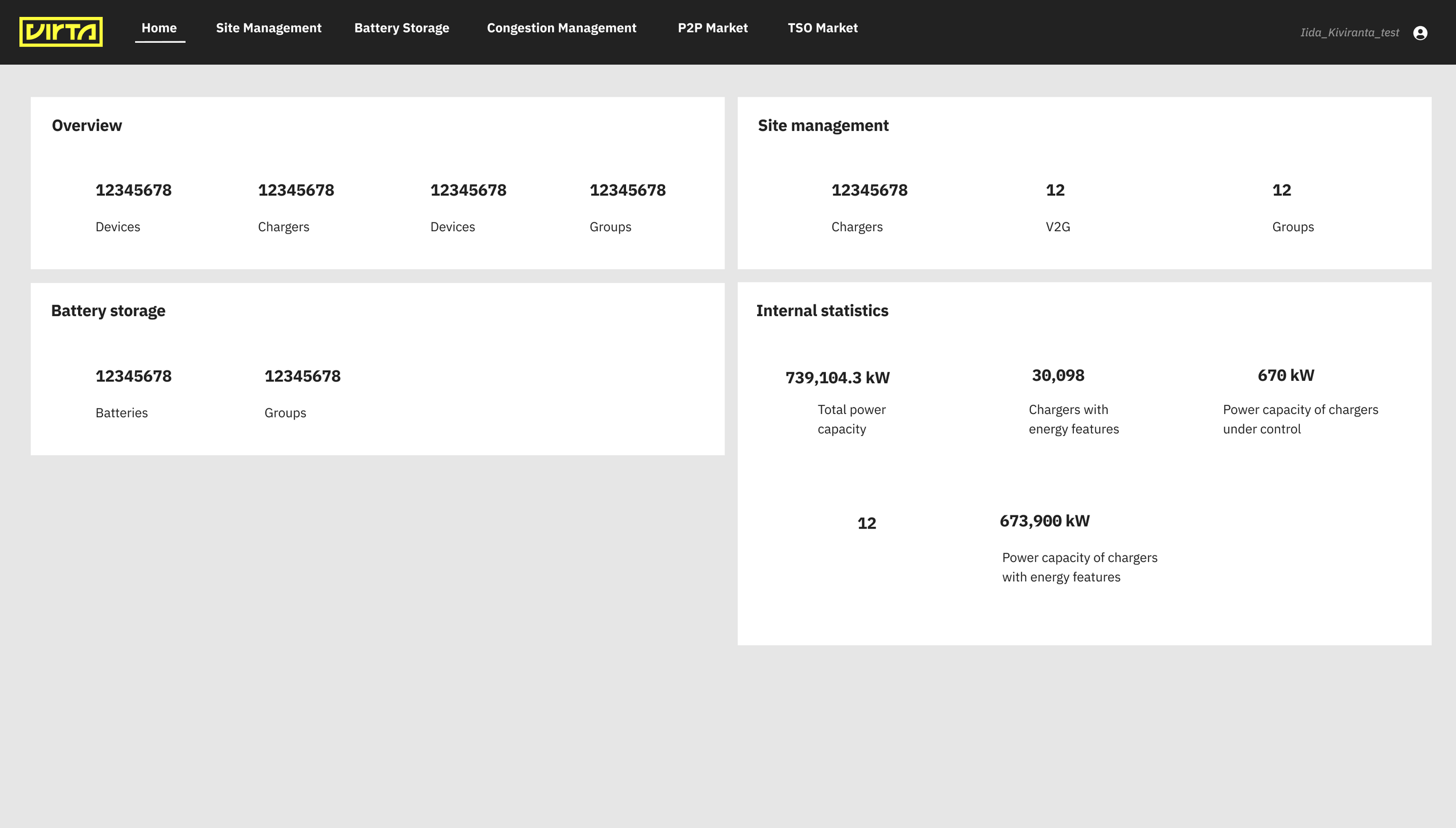
Energy original design.
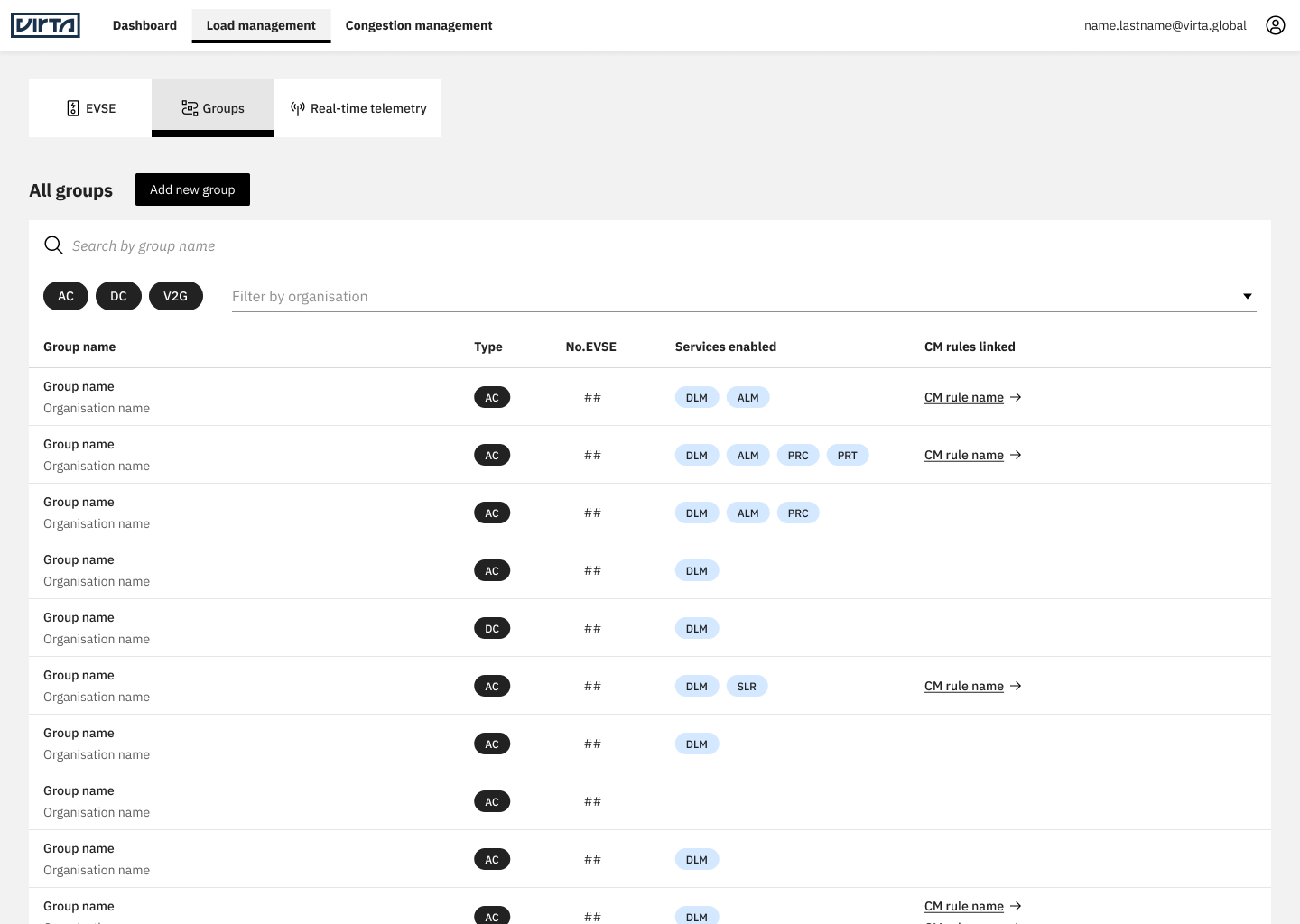
Energy with Virta design language.
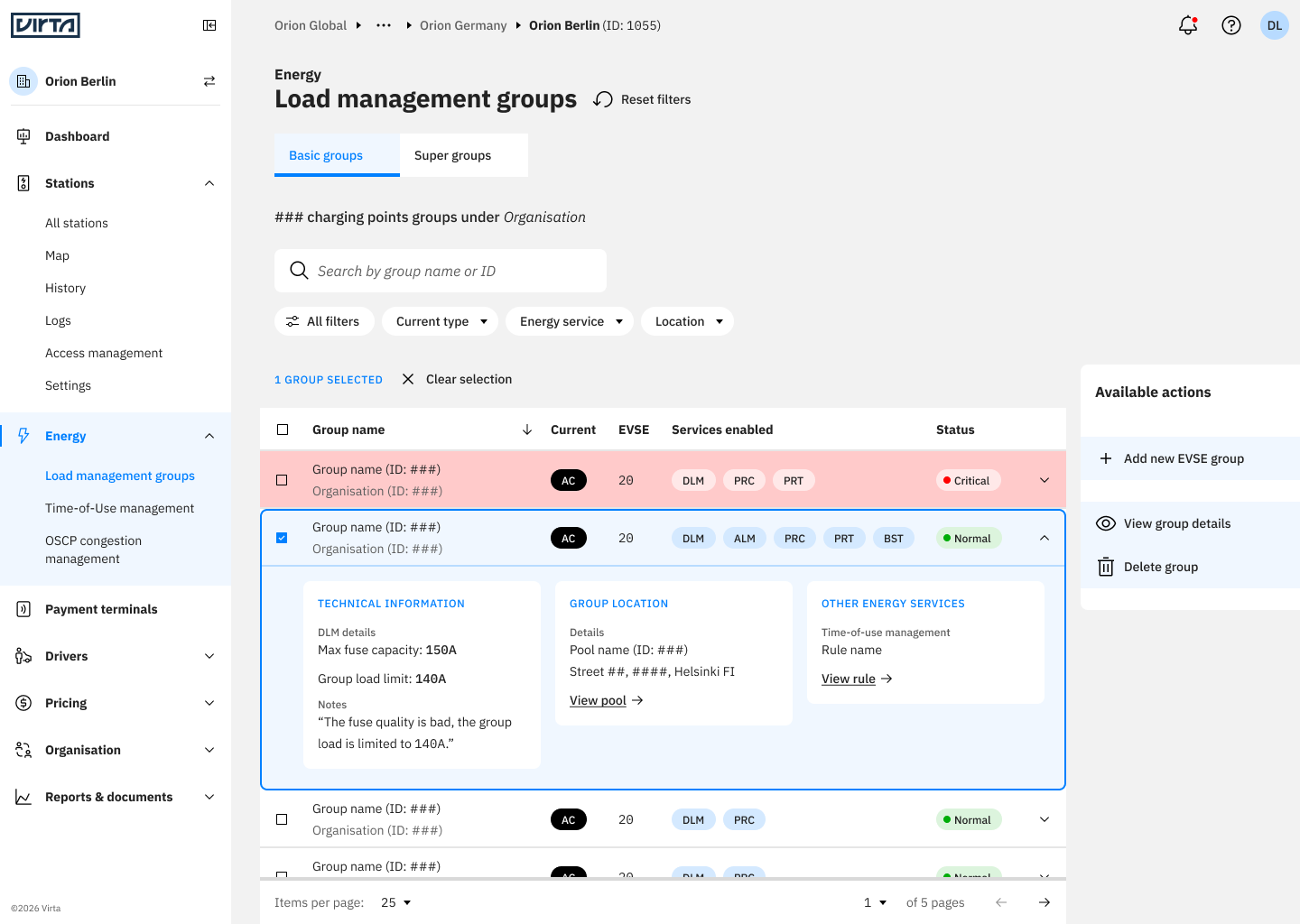
Energy in Virta Hub concept.

Virta Design Team

Ulla Mathaldi, Marjo Kurri, Chi Pham, Manuel Rosales, Tien Pham, Niki Kiviranta, Roxana Carabas & Jeremy Däp.
Back to: